One-Sentence Answer
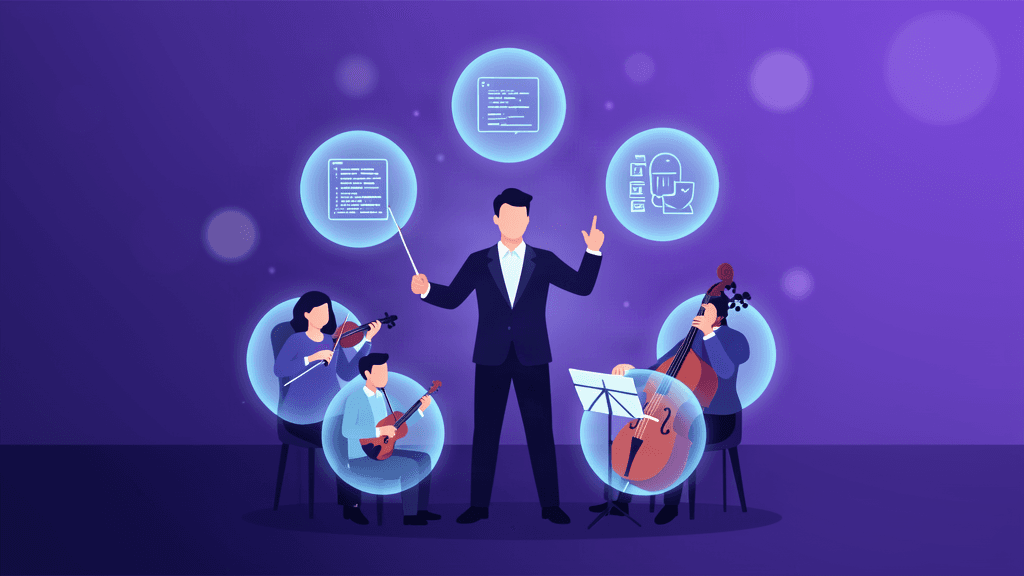
Anthropic's 2026 Founder's Playbook makes one move that matters: the AI-native founder stops being a doer and becomes an orchestrator of agents — and for a Malaysian solo founder or SME, that shift is mostly a harness-engineering problem, not a hiring problem.
A friend sent me Anthropic's official Founder's Playbook (May 2026). It is 36 pages, and the Chinese translation I read is clear and practical. I am not going to re-translate it — you should read the original — but three ideas hit differently when you run a lean team in Malaysia, and they connect directly to the harness-engineering work we wrote about on this site.
The Core Move: From Doer to Orchestrator
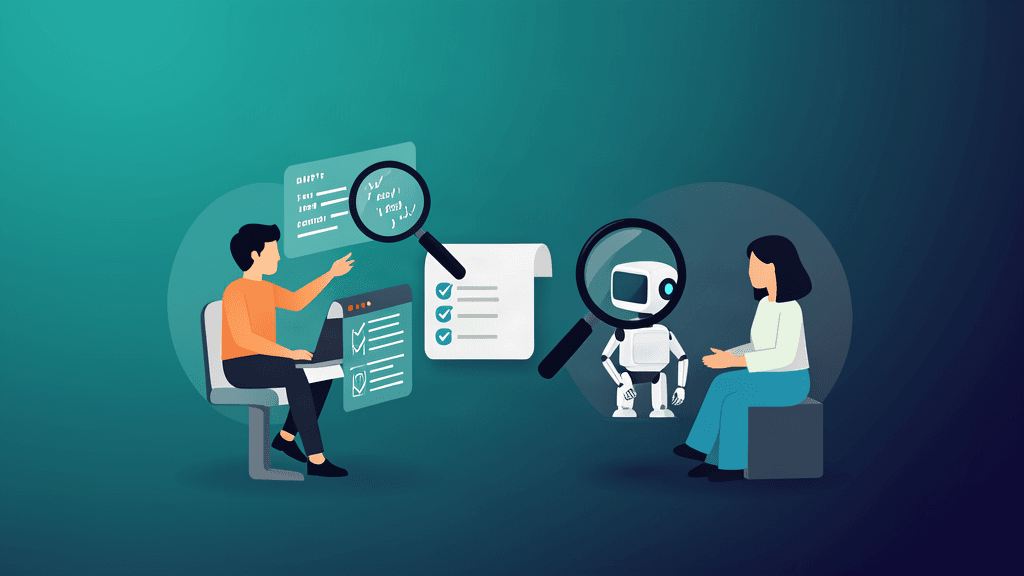
The playbook's central claim is simple. In an AI-native company, the founder is no longer a personal contributor who writes code, runs sales, and manages operations. The founder becomes the person who directs a set of specialized agents — AI assistants that can read files, run commands, execute code, and browse the web.
Your attention moves up a level:
- Instead of writing the feature, you decide which feature and why.
- Instead of doing the research, you steer the agent that does it and judge the output.
- Instead of running the weekly report, you design the workflow that produces it.
That is the whole game. The bottleneck stops being "what can you build" and becomes "what do you choose to build."
For a solo founder in Kluang or a 5-person SME in Kuala Lumpur, this is the interesting part. You do not need to hire your way out of being small. You need to orchestrate well.
Why the Orchestrator's Real Job Is Harness Engineering
Here is where it connects to what we covered earlier on this site. An orchestrator is not someone who types better prompts. They are someone who builds the system around the model so the agents can be trusted to act.
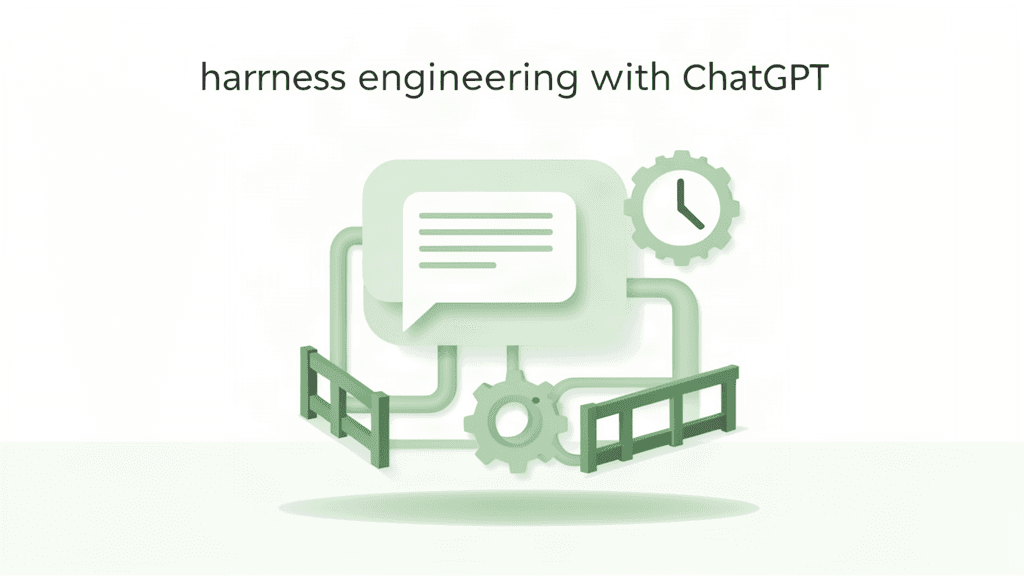
That system is a harness:
- Persistent context — the playbook calls it
CLAUDE.md, a file the agent reads every session so it does not re-learn your project each time. That is memory, the first harness layer. - Feedback loops — security scans, tests, lint, review agents that catch drift before a human sees it.
- Guardrails — least-privilege tool access, human approval before anything ships to production.
The playbook says the biggest mistake is letting speed outrun understanding: jumping from idea to prototype to "it works, so it is validated" without ever testing the assumption against real people. The cure it prescribes — write the architecture down, pressure-test your own idea with the model as a devil's advocate, keep a session log — is harness engineering applied to a startup.
If you have not read it yet, start with what harness engineering is and how to apply it with ChatGPT.
What Changes for a Lean Malaysian Team
The playbook lists three places AI lets a tiny company run like a big one:
- Conversational research — an on-call expert for payroll setup, sprint planning, investor memos.
- Agentic coding — describe what you want in plain language; the agent generates, tests, and refactors a production codebase.
- Workflow automation — CRM updates when a deal moves, weekly reports that write themselves, docs that track the product.
For an SME, the third one is the quiet win. Most Malaysian small businesses do not fail because they cannot build software. They fail because the founder is the bottleneck: every quote, every follow-up, every reconciliation sits in one person's head and one person's calendar. Putting the repeating operational layer on an AI foundation is what frees that person to do founder-level work.
This is also where BNext's own work lives — shipping the software your business runs on, with AI inside, so the operations layer stops depending on you being awake.
The Trap the Playbook Warns About
Speed is the danger. When building is nearly free, it is tempting to:
- Treat a working prototype as proof the problem is real (it is not — the conversation with users is the proof).
- Scale before you have validated a path worth scaling.
- Use AI to find evidence that supports your idea and skip the evidence that contradicts it.
The playbook's answer is discipline, not less AI: validate before you build, pressure-test your own assumptions, and keep a human in the loop on anything that touches real users and real data. That is guardrail design — again, harness engineering.
Key Takeaways
- Anthropic's playbook reframes the founder as an orchestrator of agents, not a doer.
- For Malaysian solo founders and SMEs, the leverage is real: a small team can operate like a much larger org.
- The orchestrator's actual craft is harness engineering — context, feedback loops, and guardrails around the model.
- The main risk is speed without understanding; discipline (validate, pressure-test, human-in-the-loop) is the fix.
Next in this series: from idea to MVP — the discipline that AI makes easy to skip, and launch to scale — escaping the founder bottleneck.
Anthropic's Founder's Playbook (May 2026) is the source this reading is based on. The original is worth reading directly; this is commentary and adaptation, not a reproduction.