One-Sentence Answer
Malaysian SMEs in 2026 have five high-opportunity business models — e-commerce, digital agency, subscription/membership, AI-powered services, and franchise — each matching different capital levels, skill sets, and long-term goals.
Why 2026 Is a Great Year for Malaysian SMEs
Malaysia's digital transformation market is worth USD 12.67 billion in 2026 and growing at 18.6% annually. Budget 2026 allocates RM50 billion for AI adoption, and the government offers grants up to RM5,000 through the SME Digitalisation Programme. The e-commerce market alone is projected at RM50+ billion this year.
For small business owners, this means infrastructure, funding, and customer demand are all aligned — the question is which model fits you best.
The 5 Business Models at a Glance
| Model | Starting Capital | Skill Level | Revenue Type | Best For | |-------|-----------------|-------------|-------------|----------| | E-commerce (marketplace + social) | RM3,000–20,000 | Medium | Transactional | Product sellers, resellers | | Service-Based Digital Agency | RM500–5,000 | High (skills) | Project + retainer | Marketers, developers, designers | | Subscription / Membership | RM1,000–10,000 | Medium | Recurring (MRR) | Content creators, educators, niche experts | | AI-Powered Services | RM2,000–8,000 | High (tech) | Retainer + project | SaaS consultants, automation experts | | Franchise / Licensing | RM10,000–50,000+ | Low–Medium | Royalties + fees | Brand adopters, multi-unit operators |
Model 1: E-Commerce (Marketplace + Social Commerce)
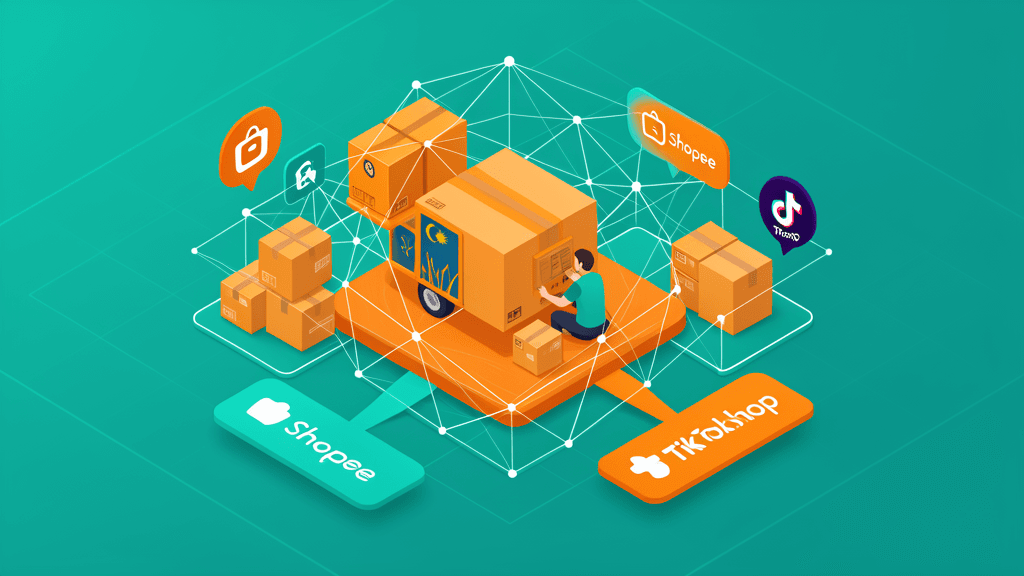
Malaysia's e-commerce GMV is over RM50 billion and growing. The winning strategy for SMEs in 2026 is multi-platform selling — list on Shopee (search-driven buyer intent), supplement with TikTok Shop (virality-driven discovery), and build a Shopee Mall or standalone store for brand control.
Key tactics:
- Start with dropshipping or reselling to test demand without heavy inventory risk
- Use Shopee's affiliate program and TikTok Shop's live selling features
- Leverage the SME Digital Grant for setting up an online store and digital ads
- Focus on trending categories: health supplements, dashcams, LED lighting, and herbal products
Model 2: Service-Based Digital Agency
If you have marketing, web development, or design skills, a digital agency is the lowest-barrier, highest-margin SME model. Clients pay per project (RM2,000–20,000 per website or campaign) plus monthly retainers for ongoing SEO, content, or management.
What to offer:
- Website design and development (Next.js, React, or WordPress — all in demand)
- SEO and Google Ads management (SME Digital Grant money can fund client campaigns)
- Social media content creation and management
- AI automation consulting (helping traditional businesses adopt AI tools)
Malaysia's SME Digitalisation Grant makes this model even more attractive — you can position yourself as an approved Digitalisation Partner and capture grant-referred clients.
Model 3: Subscription / Membership Business
Recurring revenue is the ultimate SME goal — predictable MRR that compounds as you add subscribers. For Malaysian SMEs, viable subscription models include:
- Digital products: online courses, templates, tools, or SaaS micro-platforms
- Physical replenishment: curated monthly boxes (health snacks, pet supplies, beauty products)
- Membership communities: exclusive Telegram/Discord groups with weekly live sessions, behind-the-scenes content, and member-only discounts
The average Malaysian subscription churn rate is 4–6% monthly for physical products and 2–4% for digital access. With an ARPU of RM50–200, a modest 200 subscribers generates RM10,000–40,000/month in predictable revenue.
Model 4: AI-Powered Service Business
Malaysia's Budget 2026 allocates RM50 billion for AI adoption. SMEs that can bridge the gap between AI tools and traditional business needs have a massive market opportunity.
Service offerings:
- AI workflow automation for SMEs (chatbots, invoice processing, customer inquiry triage)
- AI content generation services (blog writing, product descriptions, social media)
- AI consulting and training (helping traditional businesses understand what ChatGPT, Claude, and Gemini can actually do)
- Custom AI agent development using Hermes Agent or similar platforms for client operations
This model works best if you already have technical skills and can demonstrate ROI with case studies.
Model 5: Franchise / Licensing
Franchising is not just for big chains anymore. Malaysian SMEs can license their brand, processes, or product formulations to franchisees across states or demographics.
- Product/licensing franchise: you supply the product or formula, franchisees run the retail operation
- Service franchise: replicate your agency, gym, or food service model in new locations
- Technology franchise: license your SaaS tool or digital platform to resellers
Malaysia's Companies Commission (SSM) makes it relatively straightforward to set up franchise agreements. The key is having a proven, repeatable unit economics model before expanding.
How to Choose the Right Model
-
Assess your starting capital — under RM5,000? Go service or social commerce. RM10,000–50,000? E-commerce inventory or subscription box. Above RM50,000? Consider franchise or agency with a team.
-
Audit your skills — technical skills open agency and AI models. Creative skills favour e-commerce content and social commerce. Domain expertise (finance, health, food) is gold for subscription and franchise models.
-
Check grant eligibility — the SME Digitalisation Grant and Budget 2026 AI funding can significantly reduce your starting costs. Ensure your company meets the 60% Malaysian ownership threshold.
-
Validate demand first — test with a small pilot (single platform, limited SKU) before committing to inventory or infrastructure.
Key Takeaways
- Malaysia's digital economy is booming — RM50B+ e-commerce and 18.6% CAGR in digital transformation
- Five distinct models suit different capital levels and skill sets, all with grant eligibility
- The most capital-efficient path is service-based (agency) or low-risk e-commerce (dropshipping/social commerce)
- AI-powered services are the newest and fastest-growing opportunity, backed by RM50B government allocation
- Subscription/membership models provide the most predictable long-term revenue if you can build a community