The AI news cycle is loud. Here is what actually reached real life.
Every week there is a new model, a new benchmark, a new "this changes everything." Most of it does not change your Tuesday. So let me skip the hype and show you the few things from recent AI news that a normal person can actually use, and how I am using them myself.
1. You can finally talk to AI like a real person
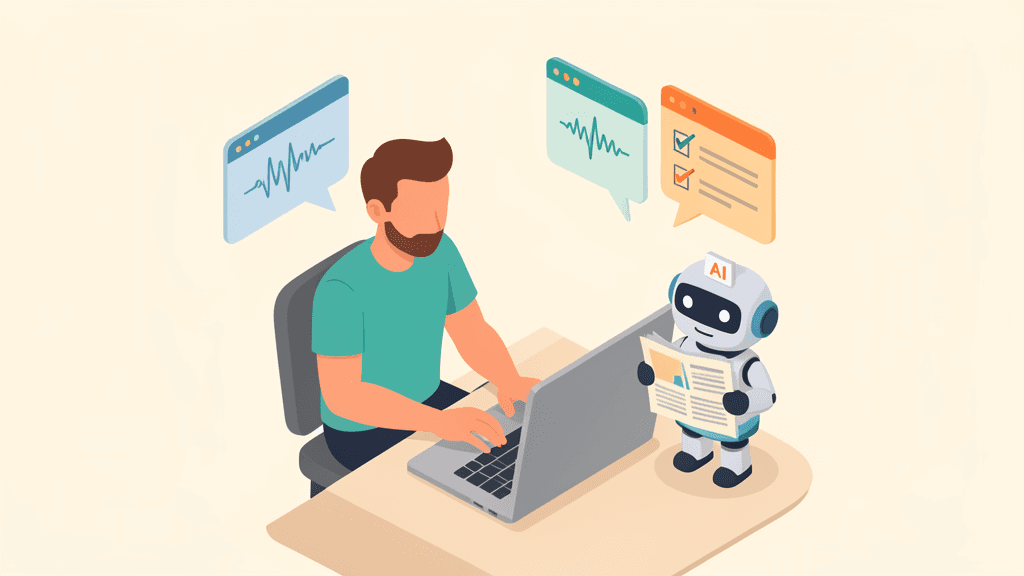
OpenAI rolled out GPT-Live, a real-time voice mode that holds a natural conversation. No more tapping a microphone button and waiting for your turn. You speak, it answers with almost no delay, and you can interrupt it mid-sentence the way you would a colleague.
Why you should care: this is the first time voice AI feels less like a phone menu and more like talking to someone. I use it to think out loud when I am stuck on a problem, and to practice my Malay without a tutor judging me.
2. AI stopped just answering and started doing
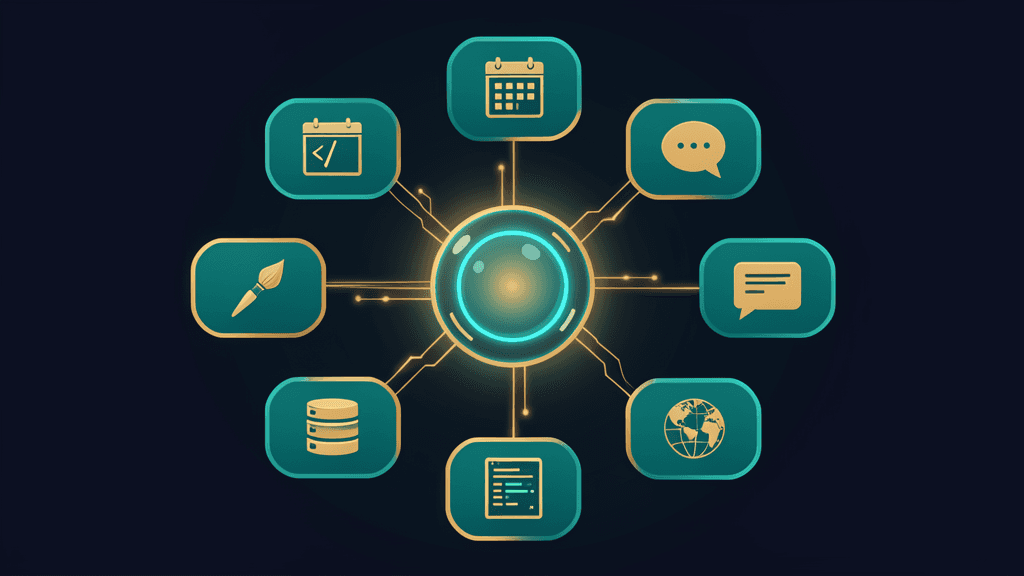
The big shift this year is agents. A normal chatbot writes you an essay about booking a flight. An agent opens the site, checks the prices, and reports back. ChatGPT's agents can now chain browsing, data analysis, and even simple code.
This is exactly what I built with Hermes: a small agent that connects to my server every 15 minutes, checks whether my sites are up, and messages me on Telegram only when something breaks. I wrote that setup up in another post. The point is that "AI runs my errands" went from demo to daily tool in 2026.
3. You can run serious AI on your own laptop
A model called Qwen3-Coder-Next, somewhere around 80 billion parameters, now runs on a decent local machine. That sounds like nerd trivia until you see what it means: you can use a powerful AI without sending your data to anyone, and without a monthly bill.
Why you should care: if you handle client documents, medical notes, or anything private, a local model keeps it on your hardware. No cloud, no subscription, works on a plane.
4. The headline models got better without getting pricier
OpenAI launched GPT-5.6 this month, in the Sol, Terra, and Luna variants. The benchmarks are impressive, but the part that matters to you is simpler: the default models got faster and sharper at the same price tier. The thing you already use got quietly better this week.
My honest take
None of these are "robots took over" moments. They are quiet upgrades that remove friction. Voice that does not make you wait. Agents that run the errand. Models that respect your privacy. A default assistant that is a bit smarter than last month.
That is the real 2026 story for normal people. Not the leaderboard. The fact that AI is finally boring enough to just use.
If you want the nuts and bolts of the agent that watches my servers, I wrote that up here: How an AI agent guards your VPS health while you sleep. And if you would rather someone else run this stuff for you, that is exactly what bnext.my builds.